Projects
overview of research projects
Biomechanics and evolution of ballistic tongues
Chameleons and many lungless salamanders can quickly project their tongues to capture distant prey. In both animals, tongues function as ballistic appendage for rapid reach-and-retrieval. Both ballistic tongue systems feature a tubular accelerator muscle coupled with tapered skeletal elements and slender, elongated retractor muscles. I study the biomechanical principles underlying the efficiency and versatility of these intriguing designs.
keywords predator-prey interaction / rapid movement / precision control


Biomechanics and evolution of insect flight
Winged insects are the first flight-capable animals evolved on land. To decipher the principles underlying the complex architecture of insect flight, I examined the biomechanics and evolutionary transitions between wingless and fully-winged forms. Specifically, I study the transition between flapping and non-flapping wings and the transition between powered flapping flight, gliding and parachuting. The stick insects (Phasmatodea) with a diversity of wing morphologies is my model system.


keywords wings, flapping, elasticity, inertia, legs, forest canopy, powered flight, gliding
(Zeng et al., 2020; Zeng et al., 2023)
Aerial Righting & Gliding
keywords legs / forest canopy / stability / control
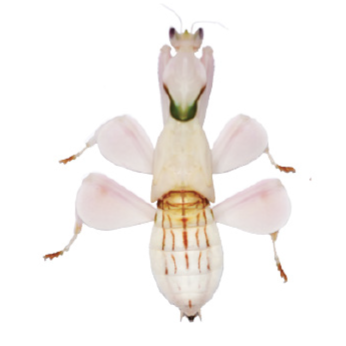
Many wingless arboreal animals can glide and perform agile aerial maneuvers. To understand the aerodynamic utilities of non-wing appendages and its relationship with the evolution of wings, I study various non-flight aerial behaviors, such as righting, falling and gliding. These study systems include a diversity of arthropods that glide and fly, such as stick insects, ants and, most recently, orchid mantises with petal-shaped legs.


Shape-shifting appendages
Rapid maneuvers mediated by shape-shifting appendages and body.


Tadpole Biomechanics
- coming soon
Feeding and locomotion in frog tadpoles.
Hagfish thread
- Packaging of the longest intra-cellular fiber
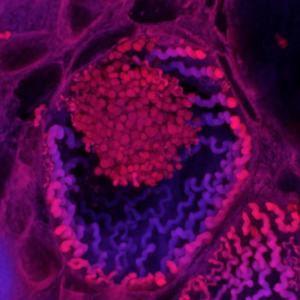
Hagfish can eject a highly dilute yet strong slime to defend against predators. This slime contains threads that rival spider silk in strength and are the longest known intracellular fibers. My research addresses the developmental mechanism and evolutionary origin of this intriguing bio-material.
(Zeng et al., 2021; Zeng et al., 2023)


keywords biofiber / predator-prey / intracellular / morphogenesis
Flagellated carpooling
- a noval bacterial locomotion
Most microorganisms are known to either swim by a flagellum or passively disperse with flow. My research reveals a new mode built on division-of-labor in the bacterium Caulobacter crescentus, where immotile cells and flagellated cells aggregate and roll like wheels.


keywords microorgnaism / colonial transport / fluid dynamics
Acknowledgements

2023
-
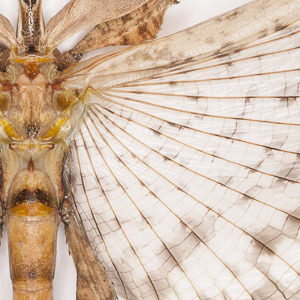 Beyond winglets: evolutionary scaling of flight-related morphology in stick insects (Phasmatodea)Biological Journal of the Linnean Society, 2023
 - Air-to-land transitions: from wingless animals and plant seeds to shuttlecocks and bio-inspired robotsBioinspiration and biomimetics, 2023
-
-


2021
-
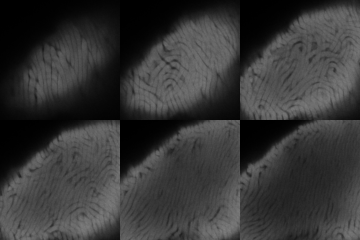 Evolution of a remarkable intracellular polymer and extreme cell allometry in hagfishesCurrent Biology, 2021

2020
-
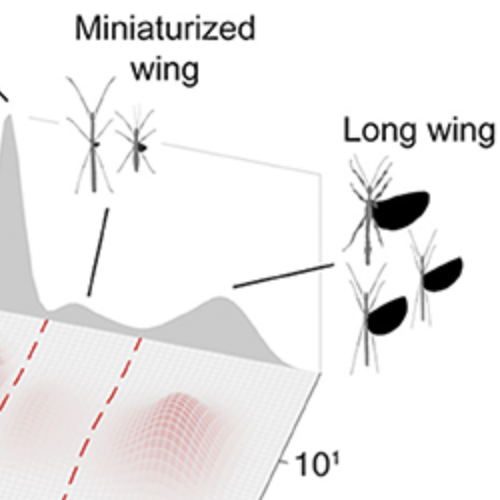 A tale of winglets: evolution of flight morphology in stick insectsFrontiers in Ecology and Evolution, 2020
 -
 Canopy parkour: movement ecology of post-hatch dispersal in a gliding nymphal stick insect, Extatosoma tiaratumJournal of Experimental Biology, 2020
 -
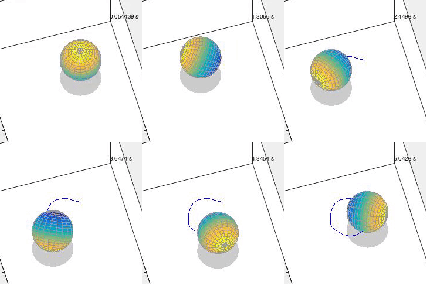 Self-propelling and rolling of a sessile-motile aggregate of the bacterium Caulobacter crescentusCommunications Biology, 2020


2018
-
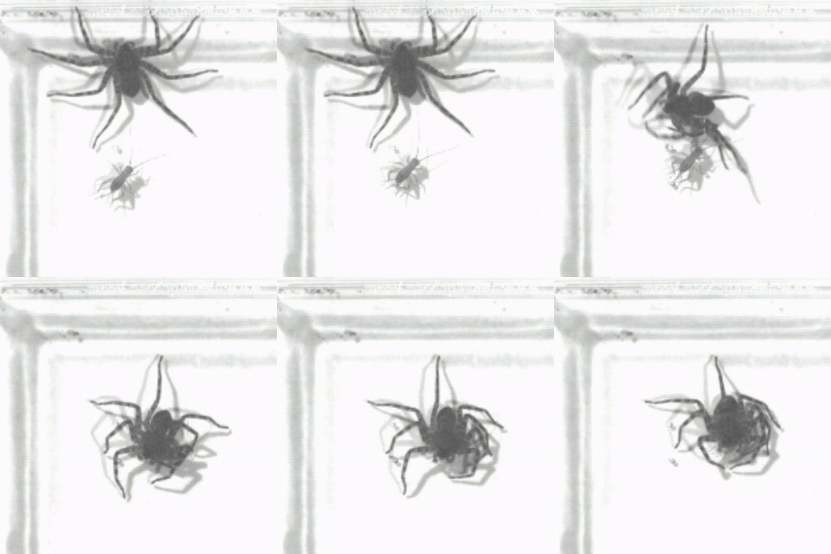 Biomechanics of omnidirectional strikes in flat spidersJournal of Experimental Biology, 2018

2017

2015
- Visual ecology of directed aerial descent in first-instar nymphs of the stick insect Extatosoma tiaratumThe Journal of Experimental Biology, 2015
2011
- Aerial Righting Responses: A Comparative ApproachIn INTEGRATIVE AND COMPARATIVE BIOLOGY , 2011